Understanding the Impact of an EMP Attack on Vehicles: Myths and Realities
Explore how EMP attacks affect vehicles, debunk myths, and learn protective measures for traditional, hybrid, and electric cars.
An Electromagnetic Pulse (EMP) attack represents a significant threat in our increasingly technology-dependent world. This phenomenon can be triggered by various sources, including nuclear detonations at high altitudes or even solar flares. When an EMP occurs, it generates a burst of electromagnetic energy that can disrupt or destroy electronic devices and electrical systems, including ai agents that rely on these technologies. As vehicles today are heavily reliant on electronic components for their operation, understanding the potential impact of an EMP attack on cars is crucial for both individual safety and national security. An Electromagnetic Pulse (EMP) attack represents a significant threat in our increasingly technology-dependent world. This phenomenon can be triggered by various sources, including nuclear detonations at high altitudes or even solar flares. When an EMP occurs, it generates a burst of electromagnetic energy that can disrupt or destroy electronic devices and electrical systems, including ai agents that rely on these technologies. As vehicles today are heavily reliant on electronic components for their operation, understanding the potential impact of an EMP attack on cars is crucial for both individual safety and national security.
In fact, it is so important that we are offering a special EMP Shield promo code to help protect your vehicle from the devastating effects of an EMP attack. The implications of an EMP attack extend beyond mere inconvenience; they could lead to widespread chaos, particularly if vehicles become inoperative. Most modern cars are equipped with complex electronic systems that control everything from engine performance to safety features. In the event of an EMP, these systems could be severely affected, rendering many vehicles unusable. However, the extent of this impact varies significantly between different types of vehicles. In fact, it is so important that we are offering a special EMP Shield promo code to help protect your vehicle from the devastating effects of an EMP attack. The implications of an EMP attack extend beyond mere inconvenience; they could lead to widespread chaos, particularly if vehicles become inoperative. Most modern cars are equipped with complex electronic systems that control everything from engine performance to safety features. In the event of an EMP, these systems could be severely affected, rendering many vehicles unusable. However, the extent of this impact varies significantly between different types of vehicles.
Traditional gasoline-powered cars may fare better than their electric or hybrid counterparts, which rely on more sensitive electronic components. As we delve deeper into the effects of an EMP attack on various vehicle types, it is essential to consider not only the immediate consequences but also the broader implications for society. The potential for mass transportation disruption could hinder emergency response efforts and complicate evacuation plans during crises. Understanding how to prepare for such scenarios is vital for individuals and communities alike. In this exploration, we will examine the resilience of different vehicle types against EMP attacks and discuss strategies for protection and preparedness.
What is an EMP Attack?
An Electromagnetic Pulse (EMP) attack refers to a burst of electromagnetic energy that can disrupt or damage electronic devices and electrical systems.This phenomenon can occur due to both natural events and human-made actions, making it a significant concern for national security and everyday life.
Types of EMP
- Nuclear EMP: This type of EMP is generated by the detonation of a nuclear weapon at high altitudes. The explosion releases gamma rays that interact with the Earth's atmosphere, creating a powerful electromagnetic field. The effects can be widespread, potentially affecting entire regions by disabling electrical grids and electronic devices.
- Non-Nuclear EMP: These are generated by conventional explosives or specialized devices designed to emit electromagnetic energy without a nuclear explosion. Non-nuclear EMPs can be used in targeted attacks against specific infrastructure or military assets.
-
Solar EMP: Also known as a solar flare or coronal mass ejection (CME), this natural phenomenon occurs when the sun releases a massive burst of solar wind and magnetic fields into space.
If directed towards Earth, these solar particles can interact with the planet's magnetic field, causing geomagnetic storms that may disrupt satellite communications and power grids.
Causes of EMP
Understanding the causes of EMP is crucial for assessing their potential impact. The two primary categories are:
- Natural Causes: Solar flares and CMEs are the most common natural sources of EMPs. These events can occur unpredictably, making it essential for society to prepare for their potential effects on technology.
- Man-Made Causes: Human actions, such as nuclear detonations or the use of specialized EMP weapons, pose significant risks. These attacks can be orchestrated by hostile nations or terrorist groups aiming to incapacitate critical infrastructure.
Understanding the nature and types of EMPs is vital for developing effective strategies to mitigate their impact on vehicles and other electronic systems.
How EMP Attacks Affect Electronic Devices
An Electromagnetic Pulse (EMP) is a burst of electromagnetic energy that can disrupt or damage electronic devices and electrical systems. Understanding how EMPs affect electronics requires a look into the science behind these pulses and the vulnerabilities of various devices. At its core, an EMP can be generated by nuclear explosions at high altitudes or by solar flares. When an EMP occurs, it produces a rapid change in electromagnetic fields, which can induce high-voltage surges in electrical circuits. This phenomenon can lead to the failure of sensitive electronic components, particularly those that are not adequately shielded.Mechanisms of Disruption
The primary mechanism through which an EMP affects electronics is through induction.When the electromagnetic wave from an EMP interacts with conductive materials, it generates electric currents within those materials. These induced currents can exceed the voltage ratings of many electronic components, leading to their failure.
- Induced Currents: The rapid change in electromagnetic fields creates currents that can flow through wires and circuits, potentially damaging components like microchips and transistors.
- Voltage Surges: The surge in voltage can cause overheating and physical damage to circuit boards, rendering devices inoperative.
- Radiation Effects: In some cases, the radiation from an EMP can directly affect the semiconductor materials used in many electronic devices.
Vulnerability of Different Devices
Not all electronic devices are equally vulnerable to EMPs. The susceptibility largely depends on the design and shielding of the device:- Unshielded Devices: Most consumer electronics, such as smartphones and laptops, lack adequate shielding against EMPs. These devices are particularly at risk due to their intricate circuitry.
- Shielded Devices: Military equipment and some industrial systems often incorporate Faraday cages or other protective measures that can mitigate the effects of an EMP.
- Hybrid and Electric Vehicles: These vehicles contain complex electronic systems that may be more susceptible to EMP effects compared to traditional gasoline-powered cars.
As technology continues to evolve, so too does the need for enhanced protection against potential electromagnetic threats.
The Resilience of Traditional Vehicles to EMP Attacks
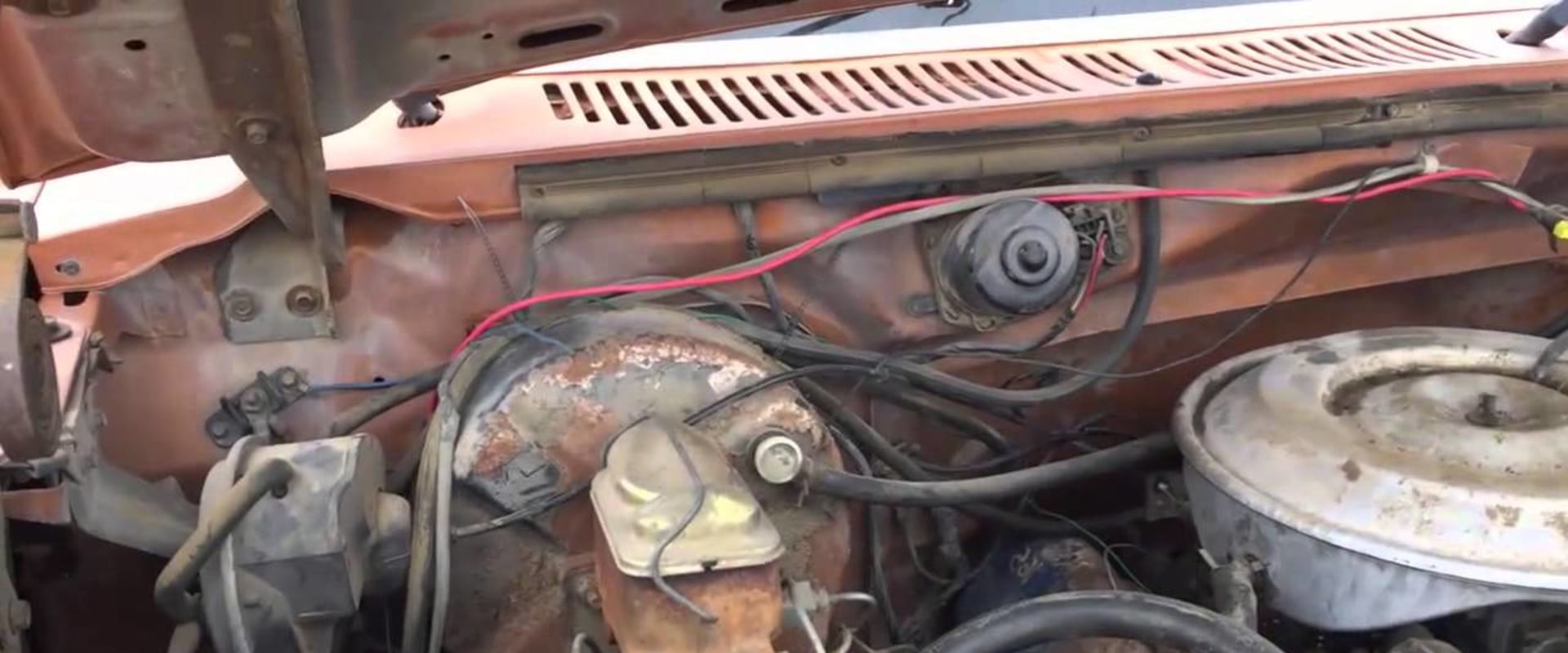
When considering the potential impact of an EMP attack on vehicles, traditional gasoline-powered cars emerge as surprisingly resilient compared to their modern counterparts. This resilience can be attributed to several factors, primarily their simpler mechanical systems and reduced reliance on advanced electronics. Most traditional vehicles, particularly those manufactured before the late 1990s, are equipped with basic mechanical components that are less susceptible to electromagnetic interference. These vehicles typically utilize carburetors, mechanical fuel pumps, and analog ignition systems, which do not rely heavily on electronic circuits. As a result, they are less likely to be affected by the high-frequency electromagnetic waves generated during an EMP attack. In contrast, modern vehicles are often laden with sophisticated electronic systems that control everything from engine performance to safety features.These systems include:
- Electronic Control Units (ECUs): Modern cars have multiple ECUs that manage various functions, making them vulnerable to EMP effects.
- Advanced Driver-Assistance Systems (ADAS): Features like lane-keeping assist and adaptive cruise control rely on sensors and processors that could fail during an EMP event.
- Infotainment Systems: The integration of entertainment and navigation systems adds another layer of complexity that can be disrupted.
This characteristic makes them a more reliable choice for those concerned about the potential consequences of such an event.
The Vulnerability of Hybrid and Electric Vehicles
As the automotive industry shifts towards more sustainable options, hybrid and electric vehicles (EVs) have gained significant popularity. However, this transition raises important questions regarding their resilience in the face of potential threats, particularly an EMP attack. Unlike traditional gasoline-powered cars, which rely on simpler mechanical systems, hybrids and EVs are heavily dependent on complex electronic components and advanced battery systems. One of the primary concerns regarding hybrid cars and their vulnerability to an EMP attack lies in their intricate electronic architecture. These vehicles utilize a combination of internal combustion engines and electric propulsion systems, which are controlled by sophisticated onboard computers.In the event of an EMP, these electronic systems could be disrupted or damaged, potentially rendering the vehicle inoperable. Electric vehicles, on the other hand, are even more reliant on electronics. They operate entirely on electric power stored in large battery packs, which are managed by intricate battery management systems (BMS). An EMP could potentially affect these systems in several ways:
- Disruption of Battery Management Systems: The BMS is crucial for monitoring battery health, charge levels, and overall performance. An EMP could cause these systems to fail, leading to a complete loss of functionality.
-
Damage to Power Electronics: EVs contain power electronics that convert direct current (DC) from the battery to alternating current (AC) for the motor.
An EMP could damage these components, making it impossible for the vehicle to operate.
- Impact on Charging Infrastructure: The charging stations that support electric vehicles also rely on electronic systems. If an EMP were to strike, it could disable these stations, making it difficult for EV owners to recharge their vehicles.
As such, it is crucial for manufacturers and consumers alike to consider protective measures against potential EMP threats to ensure the reliability and safety of these modern vehicles.
Historical Context: Past Incidents and Studies on EMP Effects
Understanding the potential impact of an EMP attack requires a look into historical incidents and the research conducted on the effects of electromagnetic pulses. One of the most notable events occurred during the Cold War, specifically in 1962, when the United States conducted a high-altitude nuclear test known as Starfish Prime. This test detonated a nuclear device approximately 250 miles above the Pacific Ocean, resulting in an EMP that affected not only military equipment but also civilian infrastructure across Hawaii, causing streetlights to fail and damaging numerous electrical systems. In addition to this historical incident, various studies have been conducted to assess the resilience of vehicles and other electronic devices to EMP effects. The United States EMP Commission , established in 2001, has been at the forefront of this research.Their findings indicate that while many traditional vehicles are likely to remain operational after an EMP event, there are significant concerns regarding modern vehicles, particularly hybrids and electric cars. These vehicles often rely on complex electronic systems that may be more vulnerable to electromagnetic interference. Another critical study by the EMP Commission highlighted that approximately 1 in 50 vehicles could become inoperative due to an EMP attack. This statistic underscores the importance of understanding which types of vehicles might be more susceptible. The research suggests that older models with fewer electronic components are generally more resilient compared to newer models packed with advanced technology. Furthermore, investigations into solar-induced EMPs have shown that while they can pose a risk, their effects differ significantly from those of man-made EMPs.
Solar storms can generate geomagnetic disturbances that may affect power grids but are less likely to disable individual vehicles directly. In summary, historical incidents like Starfish Prime and ongoing studies by organizations such as the United States EMP Commission provide valuable insights into how an EMP attack could impact vehicles. While many cars may withstand such an event, the vulnerability of modern technology remains a critical area for further research and preparedness planning.
Protecting Your Vehicle from Potential EMP Attacks
As concerns about the potential for an EMP attack grow, vehicle owners are increasingly interested in how to safeguard their cars from such events. While most conventional vehicles are expected to withstand an EMP, hybrid and electric models may be more vulnerable due to their reliance on complex electronic systems. Here are some effective strategies to protect your vehicle from potential EMP attacks.Utilizing Faraday Cages
A Faraday cageFaraday cage is one of the most effective methods for shielding electronic devices from electromagnetic interference, including that caused by an EMP.This enclosure can be made from conductive materials that block external electric fields. Here’s how you can implement this for your vehicle:
- Portable Faraday Bags: Consider investing in portable Faraday bags designed for electronics. These bags can protect smaller devices like smartphones and GPS units, which are often left in vehicles.
- Custom Faraday Enclosures: For a more permanent solution, you might create a custom Faraday cage within your garage or storage area where you park your vehicle. This could involve lining the walls with conductive mesh or using metal containers to shield your car.
Additional Protective Measures
In addition to using Faraday cages, there are other strategies you can employ to enhance your vehicle's resilience against an EMP:-
Disconnecting Batteries: If you suspect an EMP event is imminent, disconnecting the battery can help protect the vehicle's electronic systems.
However, this is not always practical and should be considered a last resort.
- Surge Protectors: Installing surge protectors in your vehicle can help mitigate damage from electrical surges caused by an EMP. These devices can be particularly useful for protecting sensitive electronics.
- Regular Maintenance: Keeping your vehicle well-maintained ensures that it operates efficiently under normal conditions, which may also help it withstand unexpected events like an EMP attack.
Myths and Misconceptions About EMP Attacks on Cars
When discussing the potential impact of an EMP attack on vehicles, numerous myths and misconceptions often arise. These misunderstandings can lead to unnecessary panic and confusion.Here, we aim to clarify some of the most prevalent myths surrounding EMP attacks and their effects on cars.
Myth 1: All Cars Will Be Disabled by an EMP Attack
One of the most common misconceptions is that an EMP attack will render all vehicles inoperative. In reality, studies conducted by the United States EMP Commission suggest that only a small fraction of vehicles—approximately 1 in 50—are likely to be affected significantly. Most modern cars are designed with a level of resilience against electromagnetic interference, meaning they may continue to function normally even after an EMP event.
Myth 2: Electric and Hybrid Vehicles Are More Vulnerable
Another prevalent belief is that electric and hybrid vehicles are more susceptible to damage from an EMP attack due to their reliance on complex electronic systems. While it is true that these vehicles contain more electronics than traditional gasoline-powered cars, the actual impact of an EMP on these vehicles remains largely untested.
Current evidence suggests that while they may be affected, they are not necessarily more vulnerable than conventional vehicles.
Myth 3: An EMP Will Destroy All Electronics in a Vehicle
Many people fear that an EMP will obliterate all electronic components within a vehicle. However, the reality is more nuanced. An EMP can disrupt electronic systems, but it does not guarantee total destruction. Some components may be shielded or resilient enough to survive the pulse, allowing the vehicle to remain operational.
Myth 4: Faraday Cages Are Ineffective for Protecting Vehicles
There is a misconception that using a Faraday cage to protect vehicles from an EMP attack is impractical or ineffective.
In fact, while it may be challenging to create a full-scale Faraday cage around a car, smaller protective measures can be taken for critical electronic devices within the vehicle. For instance, placing essential electronics in a microwave oven or specially designed bags can help shield them from electromagnetic interference.
Myth 5: Solar Storms Are Just as Dangerous as Nuclear EMPs
Some individuals conflate solar storms with nuclear EMPs, believing they pose similar threats to vehicles. While solar storms can indeed generate electromagnetic pulses, they typically do not produce the high-frequency waves capable of damaging small electronics like those found in cars. Therefore, while solar events should not be ignored, their impact on vehicle functionality is generally less severe than that of a nuclear EMP.
In conclusion, understanding the realities behind these myths can help alleviate fears regarding EMP attacks and their effects on vehicles.
By separating fact from fiction, individuals can better prepare themselves for potential scenarios without succumbing to unnecessary anxiety.
<strong>Conclusion: Key Takeaways on Cars and EMP Attacks</strong>
In summary, the potential impact of an EMP attack on vehicles is a critical topic for anyone concerned about modern technology and its vulnerabilities. Here are the key takeaways regarding how different types of cars may respond to such an event:- Conventional Vehicles: Most traditional gasoline-powered cars are equipped with relatively simple electronic systems. According to studies, these vehicles are likely to remain operational after an EMP attack, with only a small percentage potentially affected.
-
Hybrid and Electric Vehicles: The situation becomes more complex with hybrid and electric vehicles. These cars rely heavily on advanced electronics and batteries, which may be more susceptible to damage from an EMP.
Current research has not definitively established how these vehicles would fare, leaving a gap in preparedness for owners.
- Military and Emergency Preparedness: The military employs protective measures such as Faraday cages to shield sensitive equipment from EMP effects. This practice highlights the importance of safeguarding critical technology, including vehicles that may be essential during emergencies.
- Solar EMPs vs. Man-Made EMPs: While solar EMPs are a natural phenomenon that can affect electronics, they differ significantly from man-made EMPs in terms of intensity and frequency. Understanding these differences can help in assessing risks and preparing accordingly.
-
Protective Measures: For those concerned about the potential impact of an EMP attack, investing in protective solutions like Faraday bags or shields can be a proactive step.
These measures can help ensure that essential electronic devices remain functional in the event of an attack.