Understanding the Distinction Between EMP Attacks and Power Outages: Essential Insights
Learn the critical differences between an EMP attack and a power outage, their impacts, and how to prepare for each scenario effectively.
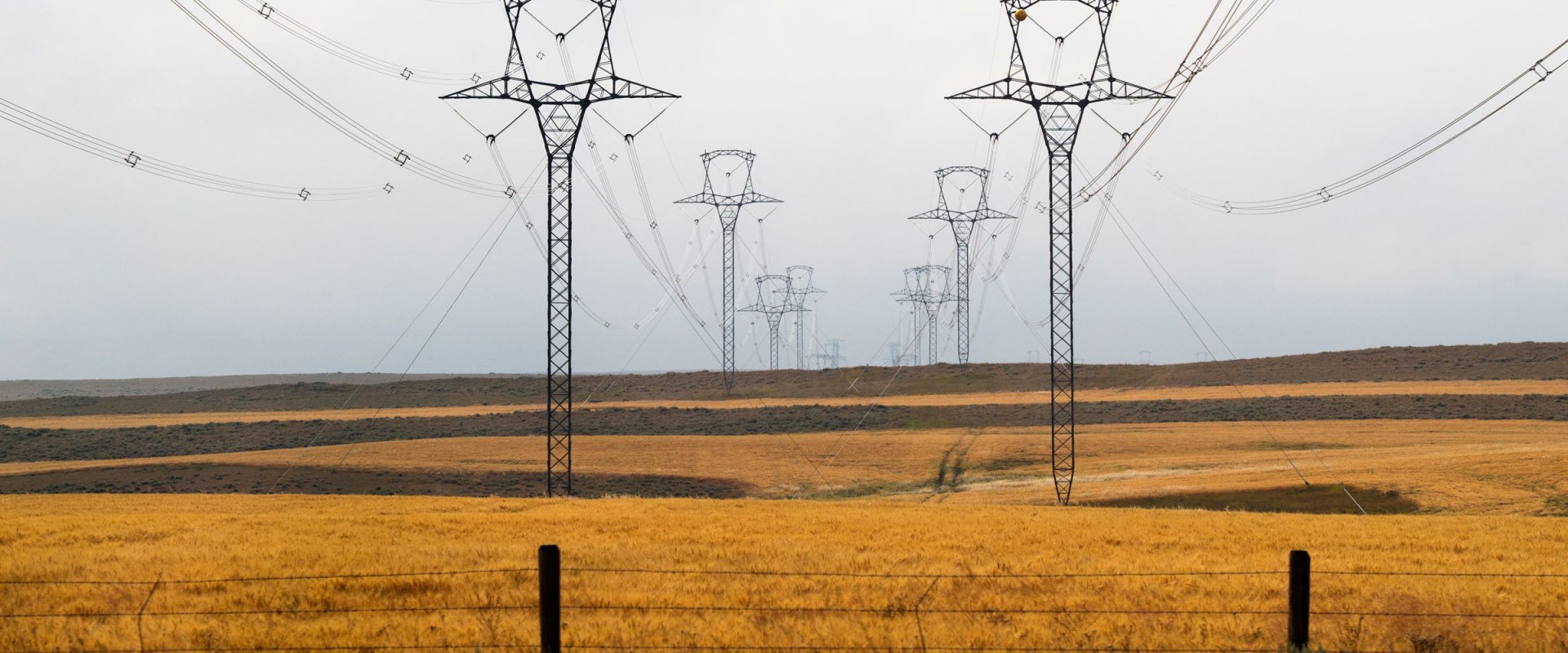
In an increasingly interconnected world, the terms EMP attack and power outage have become critical in discussions about national security and personal safety. While both scenarios involve a disruption of electrical power, the underlying causes and consequences are vastly different. Understanding these differences is essential for individuals and communities to prepare effectively for potential emergencies. An EMP attack , or electromagnetic pulse attack, refers to a burst of electromagnetic energy that can incapacitate electronic devices and electrical systems over a wide area. This phenomenon can result from various sources, including nuclear detonations at high altitudes, specialized non-nuclear weapons, or even severe solar storms.
The implications of such an attack are profound, as it could lead to a complete breakdown of modern infrastructure, affecting everything from communication systems to transportation networks. On the other hand, a power outage typically results from more mundane issues such as equipment failure, severe weather conditions, or maintenance work. While inconvenient and sometimes dangerous, power outages usually allow for some level of recovery and restoration. In most cases, local utilities can restore power within hours or days, and individuals can rely on backup systems like generators or battery-powered devices to maintain some semblance of normalcy. The stark contrast between an EMP attack and a power outage highlights the importance of preparedness. Recognizing the potential severity of an EMP event compared to a typical power outage can influence how individuals stockpile resources, develop emergency plans, and educate their families about safety measures.
As we delve deeper into this topic, it becomes clear that understanding these differences is not just an academic exercise; it is a vital component of ensuring safety in an unpredictable world.
What is an EMP Attack?
An Electromagnetic Pulse (EMP) attack is a sudden burst of electromagnetic energy that can disrupt or damage electronic devices and electrical systems. This phenomenon can occur due to various causes, primarily categorized into three main types: nuclear explosions, non-nuclear EMP weapons, and natural solar events.Nuclear EMP attacks
are perhaps the most well-known form of EMP. When a nuclear weapon is detonated at high altitudes, it releases a powerful burst of gamma rays. These rays interact with the Earth's atmosphere, producing a cascade of charged particles that create a strong electromagnetic field.
This field can induce high-voltage surges in electrical systems over vast areas, potentially crippling power grids and electronic devices. Another type of EMP attack involves non-nuclear EMP weapons , which are designed specifically to generate electromagnetic pulses without the destructive force of a nuclear explosion. These weapons can be deployed in various forms, including devices that utilize explosive materials to create a rapid discharge of energy. While they may not have the same extensive reach as nuclear EMPs, they can still cause significant localized damage to electronic systems. Natural phenomena, such as solar flares or coronal mass ejections (CMEs), also produce electromagnetic pulses. When the sun emits these bursts of solar wind and magnetic fields, they can interact with the Earth's magnetosphere, leading to geomagnetic storms.
These storms can induce currents in power lines and transformers, potentially causing widespread electrical outages and damaging infrastructure. The implications of an EMP attack are profound. The disruption caused by such an event could lead to failures in communication systems, transportation networks, and essential services like water supply and healthcare. Understanding the mechanisms behind EMP attacks is crucial for individuals and governments alike to prepare for potential threats and mitigate their effects.
Understanding Power Outages
A power outage , often referred to as a blackout, is a temporary loss of electrical power in a specific area. These outages can range from brief interruptions lasting just a few minutes to extended blackouts that can last for hours or even days.Understanding the nature of power outages is crucial, especially when distinguishing them from more catastrophic events like an EMP attack.
Common Causes of Power Outages
- Natural Disasters: Severe weather conditions such as hurricanes, tornadoes, thunderstorms, and heavy snowfall can damage power lines and substations, leading to widespread outages. For instance, high winds can uproot trees that fall onto power lines, causing immediate disruptions.
- Equipment Failure: Aging infrastructure and equipment malfunctions are significant contributors to power outages. Transformers can fail due to overheating or wear and tear, leading to localized blackouts.
- Human Error: Accidental damage during construction or maintenance work can inadvertently cut power lines. Additionally, operational mistakes at power plants can lead to outages.
-
Planned Maintenance: Utility companies often schedule maintenance work on their systems, which may require temporarily shutting down power in certain areas.
These planned outages are typically communicated in advance to minimize inconvenience.
Types of Power Outages
- Unplanned Outages: These occur unexpectedly due to unforeseen circumstances like natural disasters or equipment failures. They can affect large areas and often require significant time and resources to restore.
- Planned Outages: As mentioned earlier, these are scheduled by utility companies for maintenance or upgrades. While inconvenient, they are usually communicated ahead of time, allowing residents to prepare accordingly.
Key Differences Between EMP Attacks and Power Outages
Understanding the differences between an EMP attack and a power outage is crucial for preparedness and response strategies.While both scenarios can disrupt daily life, their implications and recovery processes vary significantly.
1.Nature of the Event
- Power Outage: Typically caused by natural events such as storms, equipment failure, or human error. These outages are often localized and can be restored relatively quickly.
- EMP Attack: A deliberate act that results from a nuclear explosion at high altitudes or the use of specialized electromagnetic weapons. The effects are widespread and can incapacitate entire regions or even countries.
2.Duration of Impact
- Power Outage: Most power outages last from a few minutes to several days, depending on the cause and the efficiency of repair efforts.
- EMP Attack: The aftermath of an EMP event can lead to prolonged outages lasting weeks, months, or even longer. The destruction of electrical infrastructure and electronic devices complicates recovery efforts.
3.Recovery Processes
- Power Outage: Recovery usually involves repairing damaged lines or equipment, which can be expedited by utility companies with established protocols.
-
EMP Attack: Recovery is far more complex, requiring not only repairs but also potential replacements of critical infrastructure.
The loss of technology means that many systems may need to be rebuilt from scratch.
4.Societal Effects
- Power Outage: While inconvenient, most communities have contingency plans in place for short-term outages, allowing for a relatively quick return to normalcy.
- EMP Attack: The societal impact is profound, potentially leading to chaos as essential services like communication, transportation, and healthcare become severely compromised. The Congressional EMP Commission has warned that a large-scale EMP event could result in catastrophic loss of life due to the collapse of societal structures. The societal impact is profound, potentially leading to chaos as essential services like communication, transportation, and healthcare become severely compromised. The Congressional EMP Commission has warned that a large-scale EMP event could result in catastrophic loss of life due to the collapse of societal structures.
Consequences of an EMP Attack
An electromagnetic pulse (EMP) attack can have devastating consequences that extend far beyond the immediate disruption of electrical systems. Understanding these consequences is crucial for individuals and communities to prepare adequately for such an event.Immediate Effects on Infrastructure
One of the most significant impacts of an EMP attack is the potential failure of critical infrastructure.
This includes:
- Power Grids: The most obvious effect is the crippling of power grids. An EMP can cause widespread blackouts, leaving millions without electricity.
- Communication Systems: Cell towers, internet routers, and other communication devices may become inoperable, leading to a breakdown in communication.
- Transportation: Traffic lights, public transportation systems, and even personal vehicles that rely on electronic systems could be rendered useless.
- Water Supply: Water treatment facilities depend on electricity to function. An EMP could disrupt water supply and sanitation services, leading to public health crises.
Long-Term Societal Impacts
The long-term effects of an EMP attack can be catastrophic. With the loss of technology and infrastructure, society may face:
-
Economic Collapse: The economy relies heavily on electronic transactions.
A sudden halt in these transactions could lead to a financial crisis, with businesses unable to operate and people unable to access their funds.
- Food Shortages: Modern agriculture relies on technology for planting, harvesting, and distribution. An EMP could disrupt food supply chains, leading to shortages and increased prices.
- Public Safety Risks: With communication systems down, emergency services may struggle to respond effectively to crises, increasing the risk of crime and civil unrest.
The Importance of Preparedness
Given the potential for widespread chaos following an EMP attack, preparedness becomes essential. Individuals should consider:
- Emergency Kits: Stocking up on non-perishable food, water, medical supplies, and cash can help sustain families during prolonged outages.
- Community Planning: Engaging with local communities to develop response plans can enhance resilience against such attacks.
- Education: Understanding the nature of EMPs and their potential impacts can empower individuals to take proactive measures.
Consequences of Power Outages
Power outages can have a wide range of consequences that affect both individuals and businesses.While many people may think of power outages as mere inconveniences, the reality is that they can lead to significant disruptions in daily life and economic activities.
Short-Term Consequences
- Disruption of Daily Activities: When the power goes out, everyday tasks such as cooking, cleaning, and even personal hygiene can become challenging. Without electricity, appliances like refrigerators and stoves are rendered useless, leading to food spoilage and difficulty in meal preparation.
- Communication Breakdown: Power outages can disrupt communication systems, making it difficult to contact family members or emergency services. This lack of connectivity can heighten feelings of anxiety and isolation during an outage.
- Loss of Entertainment: For many, the loss of power means the loss of entertainment options. Television, internet access, and gaming systems all rely on electricity, leaving individuals with limited ways to pass the time.
Long-Term Effects
-
Economic Impact: The economic ramifications of prolonged power outages can be severe.
Businesses may face significant losses due to halted operations, especially in sectors that rely heavily on technology and electricity. According to studies, even a few hours without power can lead to thousands of dollars in lost revenue for small businesses.
- Infrastructure Damage: Extended outages can lead to infrastructure issues. For example, water treatment facilities may struggle to operate without power, leading to potential public health crises due to contaminated water supplies.
- Job Losses: In extreme cases, prolonged power outages can result in layoffs or business closures. Companies unable to recover from the financial strain may be forced to downsize or shut down entirely.
Preparedness is Key
Understanding the potential consequences of power outages is crucial for effective preparedness.
Individuals and businesses should consider investing in backup generators, maintaining emergency supplies, and developing contingency plans to mitigate the impact of future outages. By being proactive, you can reduce the risks associated with both short-term inconveniences and long-term economic challenges.
Preparedness Strategies for an EMP Attack
Preparing for an EMP attack requires a proactive approach, as the consequences can be severe and far-reaching. Here are some essential strategies to ensure you and your family are ready in the event of such an incident.Emergency Supplies
First and foremost, assembling a comprehensive emergency supply kit is crucial. This kit should include:- Non-perishable food: Stock up on canned goods, dried fruits, nuts, and other items that do not require refrigeration.
-
Water: Aim for at least one gallon of water per person per day for at least three days.
Consider water purification tablets or filters.
- First aid supplies: Include bandages, antiseptics, pain relievers, and any necessary prescription medications.
- Flashlights and batteries: In the absence of electricity, reliable light sources are essential.
- Multi-tool or survival knife: These tools can be invaluable in various situations.
- Portable phone charger: A solar-powered charger can keep your devices operational even when the grid is down.
Communication Plans
Establishing a communication plan is vital for staying connected with family and friends during an EMP attack. Consider the following:- Designate meeting points: Choose safe locations where family members can gather if communication fails.
- Create a contact list: Keep a list of important phone numbers written down, as electronic devices may not function.
- Use walkie-talkies: These can be effective for short-range communication when cell networks are down.
Financial Preparedness
An EMP attack could disrupt banking systems and electronic transactions. To mitigate this risk, consider these financial preparedness tips:- Cash reserves: Keep a supply of cash on hand in small denominations to facilitate transactions when electronic payment systems are unavailable.
- Diversify assets: Consider investing in tangible assets such as gold or silver that may retain value in a crisis.
- Create a budget: Plan for potential long-term disruptions by budgeting for essential expenses during an extended outage.
Preparedness Strategies for Power Outages
Being prepared for a power outage is essential for maintaining safety and comfort during unexpected disruptions. Here are some practical strategies and tips to help you effectively prepare for such events.1.Assemble an Emergency Kit
-
Water: Store at least one gallon of water per person per day for at least three days.
This will ensure hydration and basic sanitation needs.
- Non-Perishable Food: Stock up on canned goods, dried fruits, nuts, and other non-perishable items that require minimal preparation. Aim for a three-day supply.
- Flashlights and Batteries: Keep several flashlights in your emergency kit along with extra batteries. Avoid using candles due to fire hazards.
- First Aid Supplies: Include a well-stocked first aid kit with bandages, antiseptics, and any necessary medications.
- Multi-Tool or Swiss Army Knife: This can be invaluable for various tasks during an outage.
- Portable Phone Charger: A solar-powered or battery-operated charger can keep your devices functional when the power is out.
2.Plan for Communication
Establish a communication plan with family members. Ensure everyone knows how to reach each other and where to meet if you get separated.
Consider investing in a battery-operated or hand-crank radio to stay updated on weather conditions and emergency announcements.
3.Maintain Your Home
- Check Your Generator: If you own a generator, ensure it is in good working condition and that you have enough fuel stored safely.
- Inspect Your Smoke Alarms: Regularly test smoke alarms and replace batteries as needed to ensure they function properly during an outage.
- Seal Windows and Doors: Proper insulation can help maintain indoor temperatures during outages, especially in extreme weather conditions.
4.Stay Informed
Sign up for local alerts and warnings to receive timely information about power outages in your area. Many utility companies offer text alerts that notify customers of outages and estimated restoration times.
5.Practice Your Plan
Conduct regular drills with your family to ensure everyone knows what to do during a power outage. Familiarity with your emergency kit and communication plan can significantly reduce stress when an actual outage occurs. By taking these steps, you can minimize the impact of a power outage on your daily life, ensuring that you and your loved ones remain safe and comfortable until the power is restored.
FAQs About EMP Attacks and Power Outages
Understanding the nuances between an EMP attack and a power outage can be complex, leading to many questions. Here are some frequently asked questions that can help clarify these topics:What is an EMP attack?
An EMP attack refers to a burst of electromagnetic energy that can disrupt or destroy electronic devices and electrical systems.This can occur due to a nuclear explosion at high altitudes, non-nuclear electromagnetic weapons, or even solar flares. The impact of such an attack can be catastrophic, potentially crippling critical infrastructure.
How does an EMP attack differ from a power outage?
A power outage is typically a temporary loss of electricity due to issues like equipment failure, severe weather, or maintenance work. In contrast, an EMP attack can cause widespread and long-lasting damage to electrical systems and devices, rendering them inoperable. While power outages may be resolved within hours or days, the effects of an EMP could take much longer to recover from.Can I prepare for an EMP attack?
Yes, preparation is key.Consider investing in Faraday cages to protect essential electronics, stockpiling non-perishable food and water, and having cash on hand since electronic payment systems may fail. Additionally, learning survival skills and establishing communication plans with family members can be beneficial.
What should I do during a power outage?
During a power outage, it’s important to stay calm. Here are some steps you can take:- Check your flashlights: Ensure you have working flashlights and batteries.
- Unplug appliances: To prevent damage from power surges when electricity is restored.
- Stay informed: Use battery-powered radios or mobile devices (if charged) to get updates on the situation.
- Avoid opening the refrigerator: This helps keep food cold for longer periods.
Are there warning signs of an impending EMP attack?
Unfortunately, there are typically no clear warning signs before an EMP attack. However, increased geopolitical tensions or military activities could indicate a higher risk.Staying informed about global events can help you gauge potential threats.
How long could it take to recover from an EMP attack?
The recovery time from an EMP attack can vary significantly based on the scale of the event and the preparedness of local infrastructure. Some estimates suggest that it could take months or even years for full recovery in severely affected areas. This FAQ section aims to provide clarity on common concerns regarding EMP attacks and power outages, helping you better understand how to prepare for each scenario.Conclusion: The Importance of Understanding Both Threats
In conclusion, understanding the differences between an EMP attack and a power outage is crucial for anyone concerned about personal safety and preparedness. While both scenarios can lead to significant disruptions in daily life, the implications of an EMP attack are far more severe and complex. Power outages are typically temporary and can often be resolved within hours or days. They may result from natural disasters, equipment failures, or maintenance work.During these outages, basic services like banking and communication may still function, albeit with limitations. In contrast, an EMP attack can incapacitate entire regions for extended periods, leading to a breakdown of essential services and infrastructure. The potential consequences of an EMP event are staggering. As highlighted by the Congressional EMP Commission, the aftermath of such an attack could result in widespread chaos, with estimates suggesting that up to 90% of the population could face life-threatening challenges within a year. This stark reality underscores the importance of being informed and prepared. Moreover, the nature of an EMP attack means that traditional methods of communication and transaction may become obsolete.
Cash reserves and alternative means of survival will be paramount in such a scenario. Understanding these differences allows individuals to take proactive measures to safeguard their families and communities. Ultimately, being aware of both threats empowers you to make informed decisions about your emergency preparedness plans. Whether it’s investing in backup power sources, creating a comprehensive emergency kit, or developing a communication strategy with loved ones, knowledge is your best defense against uncertainty. In summary, while power outages are a common inconvenience that most people experience at some point, the threat posed by an EMP attack is a serious concern that requires attention and action. By educating yourself on both issues, you can enhance your resilience in the face of potential crises.