Comprehensive Strategies for Protecting the U.S. from Electromagnetic Pulse Attacks
Explore comprehensive strategies to protect the U.S. from electromagnetic pulse (EMP) attacks and ensure national security against this emerging threat.
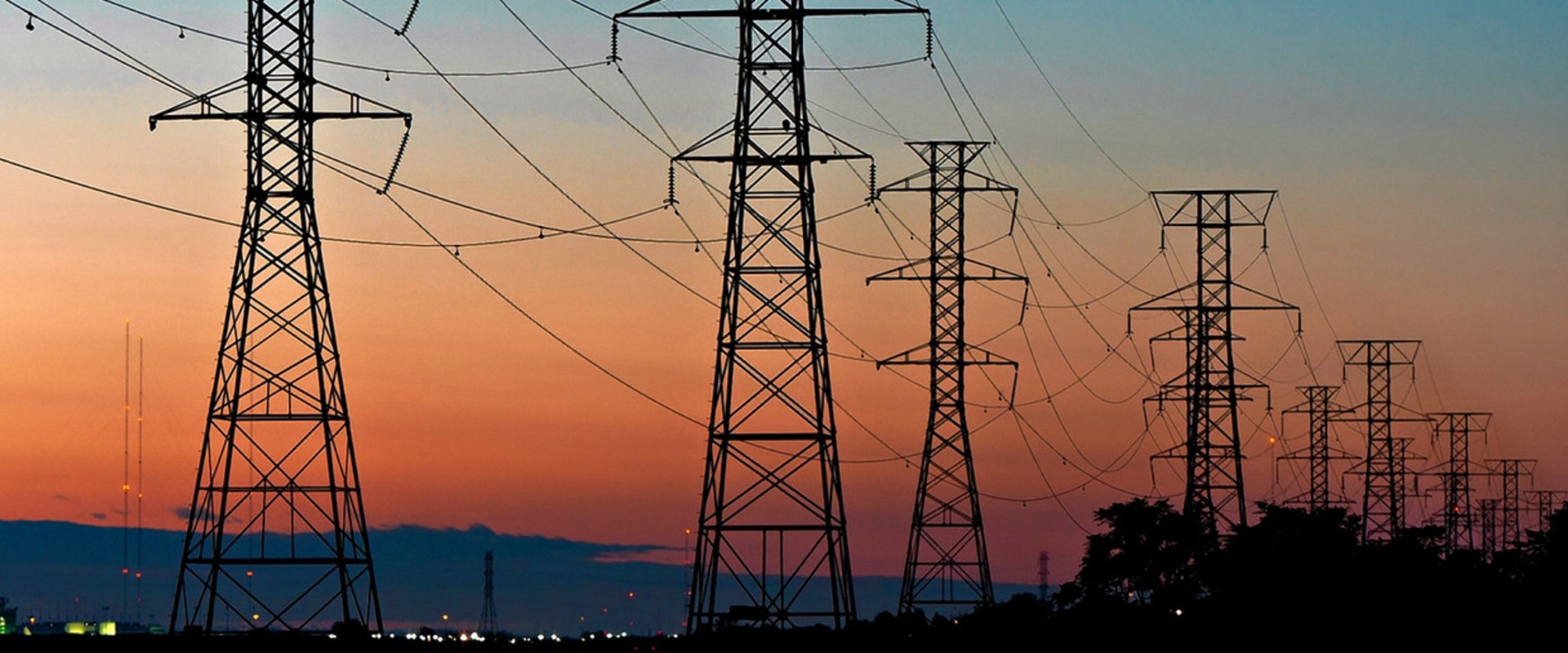
Electromagnetic pulse (EMP) attacks represent a significant and often misunderstood threat to modern society. An EMP attack is characterized by a burst of electromagnetic energy that can disrupt or destroy electronic devices and electrical systems. This phenomenon can occur naturally, such as from solar flares, but it is the man-made versions that pose a more immediate concern. Understanding the nature of these attacks is crucial for grasping their potential impact on national security and everyday life. There are primarily three types of EMP attacks: high-altitude nuclear detonations, non-nuclear EMP weapons, and natural EMP events.
High-altitude nuclear detonations involve detonating a nuclear weapon at altitudes exceeding 30 kilometers, which can generate a wide-reaching electromagnetic field capable of affecting vast areas. Non-nuclear EMP weapons, on the other hand, utilize conventional explosives or specialized devices to create localized electromagnetic disruptions without the fallout associated with nuclear weapons. Lastly, natural EMP events, such as those caused by solar storms, can also have devastating effects on our electrical infrastructure. The effects of an EMP attack can be catastrophic. A successful strike could incapacitate critical infrastructure, including power grids, communication networks, and transportation systems.
The immediate aftermath would likely lead to widespread chaos as essential services become unavailable. In a society increasingly reliant on technology, the ramifications could extend beyond mere inconvenience; they could threaten public safety and national security. The potential for long-term disruptions raises serious concerns about preparedness and resilience in the face of such threats. As we delve deeper into the topic of EMP attacks, it becomes evident that understanding their mechanics and implications is vital for developing effective protection strategies. By recognizing the various forms of EMP threats and their potential consequences, we can better equip ourselves to mitigate risks and safeguard our infrastructure against this emerging danger.
The Threat Landscape: Who Can Launch an EMP Attack?
Understanding the potential actors behind an EMP attack is crucial for assessing the threat landscape.Various entities, ranging from rogue states to terrorist organizations, possess the capability and motivation to launch such devastating strikes against the United States.
Rogue States
- North Korea: This nation has been at the forefront of discussions regarding EMP threats. With its advancements in nuclear technology and missile capabilities, North Korea has demonstrated a willingness to engage in aggressive posturing. Their ability to launch a high-altitude nuclear detonation could create a widespread EMP effect, crippling U. S.
infrastructure.
- Iran: Iran's military strategy includes asymmetric warfare tactics, which could involve launching an EMP attack from maritime platforms. The country has previously tested missiles capable of carrying nuclear warheads, making it a significant threat in this domain.
- Russia and China: Both nations have invested heavily in electronic warfare capabilities. While their primary focus may not be on EMP attacks, their technological advancements could enable them to execute such operations if deemed necessary.
Terrorist Organizations
- Non-state actors: Groups like Hezbollah and Al-Qaeda have shown interest in acquiring advanced weaponry. Although they may lack the sophisticated technology of nation-states, they can potentially collaborate with rogue states to gain access to EMP-capable devices.
- Cyberterrorism: The rise of cyber capabilities among terrorist groups adds another layer of complexity.
While traditional EMP attacks rely on physical devices, cyberattacks can disrupt critical infrastructure in ways that mimic the effects of an EMP.
Historical Context: Past EMP Incidents and Their Implications
Understanding the implications of electromagnetic pulse (EMP) events requires a thorough examination of historical incidents that have shaped our current perspective on national security.While the concept of EMPs is often associated with nuclear warfare, there have been notable instances in history that highlight their potential impact on infrastructure and society. One of the most significant historical events related to EMPs occurred during the Starfish Prime test in 1962. This high-altitude nuclear explosion, conducted by the United States over the Pacific Ocean, generated an EMP that affected not only the test area but also caused electrical disruptions in Hawaii, approximately 900 miles away. The incident resulted in streetlights flickering, telephone systems failing, and even damage to electrical equipment. This event underscored the far-reaching effects of EMPs and raised concerns about the vulnerability of modern electrical grids. Another critical incident occurred in 2003 when a solar storm, known as a coronal mass ejection (CME) , struck Earth. This natural EMP event caused widespread power outages in parts of North America and Europe, affecting millions of people.
The storm disrupted satellite communications and navigation systems, demonstrating how even non-man-made EMPs can have severe implications for national security and daily life. These historical examples illustrate that both man-made and natural EMP events can lead to significant disruptions. The implications for national security are profound; a successful EMP attack could incapacitate critical infrastructure such as power grids, communication networks, and transportation systems. The cascading effects could lead to chaos, economic downturns, and even loss of life. Moreover, the potential for future EMP attacks raises questions about preparedness and resilience. As technology continues to evolve, so too does the threat landscape.
Governments must learn from past incidents to develop robust strategies that protect against both natural and man-made EMP threats. In conclusion, analyzing historical EMP incidents provides valuable insights into their implications for national security. By understanding these past events, we can better prepare for potential future attacks and mitigate their devastating effects on society.
Potential Consequences of an EMP Attack on the U. S.
An electromagnetic pulse (EMP) attack can have devastating consequences for the United States, affecting both infrastructure and society at large. The immediate aftermath of such an attack would be catastrophic, leading to widespread disruption of essential services and a potential breakdown of societal order. One of the most significant impacts of an EMP attack would be on the nation’s power grid.The electrical infrastructure is highly vulnerable to electromagnetic interference, and a high-altitude EMP could induce voltage surges that damage transformers and other critical components. This could result in:
- Widespread Blackouts: Major cities could experience prolonged power outages, lasting from days to weeks or even months, depending on the severity of the damage.
- Loss of Communication: With power outages, communication systems reliant on electricity—such as cell towers and internet services—would fail, isolating communities and hampering emergency response efforts.
- Disruption of Transportation: Traffic lights, rail systems, and air traffic control would be severely affected, leading to chaos on the roads and in the skies.
- Public Safety Concerns: With emergency services incapacitated, law enforcement may struggle to maintain order. This could lead to increased crime rates and civil unrest as individuals seek resources for survival.
- Economic Collapse: The economy relies heavily on technology and connectivity.
An EMP attack could cripple businesses, leading to massive job losses and a downturn that could take years to recover from.
- Health Risks: Hospitals depend on electricity for life-saving equipment. An EMP attack could jeopardize patient care, leading to increased mortality rates from untreated conditions.
It is crucial for policymakers to recognize these risks and take proactive measures to safeguard against such an existential threat.
Current Preparedness: How Ready is the U. for an EMP Attack?
The threat of an EMP attack has garnered increasing attention in recent years, yet the level of preparedness within the United States remains a topic of concern. While some government agencies have taken steps to address this potential vulnerability, a comprehensive assessment reveals significant gaps in readiness and response capabilities. Currently, the U. government has established various policies aimed at mitigating the risks associated with electromagnetic pulse threats.The Department of Homeland Security (DHS) and the Federal Emergency Management Agency (FEMA) have developed frameworks for emergency response that include scenarios involving EMP attacks. However, these frameworks often lack specific guidelines tailored to the unique challenges posed by such attacks. One of the primary areas of focus has been on enhancing the resilience of critical infrastructure. The Critical Infrastructure Protection Program aims to fortify essential services such as power grids, telecommunications, and transportation systems against potential EMP effects. Yet, many experts argue that current measures are insufficient.
For instance, while some power plants have begun implementing protective measures, a large number remain vulnerable due to outdated technology and lack of funding for upgrades. Moreover, the military has recognized the importance of preparing for EMP scenarios. The Department of Defense (DoD) has initiated programs to harden military assets against electromagnetic threats. This includes retrofitting equipment and ensuring that communication systems can withstand potential disruptions. However, these efforts are often limited by budget constraints and competing priorities within defense spending. In terms of public awareness and education, there is a noticeable gap.
Many citizens remain unaware of the potential consequences of an EMP attack and how to prepare for such an event. Government initiatives aimed at educating the public about emergency preparedness often overlook EMP-specific scenarios, leaving communities ill-equipped to respond effectively. To improve national security against EMP threats, several key areas require urgent attention:
- Investment in Research and Development: Increased funding for research into EMP-resistant technologies is crucial. This includes developing materials and systems that can withstand electromagnetic interference.
- Policy Enhancement: Existing policies should be revised to include specific protocols for EMP attack scenarios, ensuring that all levels of government are prepared to respond effectively.
- Public Education Campaigns: Initiatives aimed at raising awareness about EMP threats should be prioritized, equipping citizens with knowledge on how to protect themselves and their families.
- Collaboration with Private Sector: Engaging private companies that manage critical infrastructure can lead to more robust defenses against EMP attacks through shared resources and expertise.
can better safeguard its infrastructure and citizens from this potentially devastating threat.
Technological Solutions: Developing Countermeasures Against EMP Attacks
As the threat of an EMP attack looms larger in discussions about national security, the need for effective technological solutions becomes increasingly urgent. The potential for catastrophic disruption to critical infrastructure necessitates a robust response that encompasses research, development, and implementation of countermeasures designed to mitigate the effects of such attacks. One of the primary areas of focus in developing countermeasures against EMP threats is the enhancement of hardening techniques. This involves reinforcing electrical and electronic systems to withstand the intense electromagnetic fields generated by an EMP. Hardening can be achieved through various methods, including:- Shielding: Utilizing conductive materials to create barriers that can absorb or deflect electromagnetic energy.
- Surge Protection: Installing devices that can prevent voltage spikes from damaging sensitive equipment.
- Redundancy: Implementing backup systems that can take over in the event of a primary system failure.
For instance, scientists are investigating the use of sensors that can identify the onset of an EMP event and trigger automated protective measures. These sensors could be integrated into power grids, communication networks, and other critical systems to enhance resilience. Moreover, collaboration between government agencies, private sector companies, and academic institutions is essential for fostering innovation in this field. Initiatives such as public-private partnerships can facilitate knowledge sharing and resource allocation, leading to more effective solutions. For example, the Department of Homeland Security has been actively involved in funding research projects aimed at developing EMP-resistant technologies. Another promising avenue is the exploration of alternative energy sources.
By diversifying energy supply systems and incorporating decentralized power generation methods—such as solar panels or wind turbines—communities can reduce their reliance on vulnerable centralized grids. This decentralization not only enhances resilience against EMP attacks but also contributes to overall energy security. In conclusion, while the threat posed by EMP attacks is significant, ongoing advancements in technology offer hope for effective countermeasures. By investing in hardening techniques, real-time detection systems, collaborative research efforts, and alternative energy solutions, the United States can better protect its critical infrastructure from potential disruptions caused by electromagnetic pulses.
Policy Recommendations: Steps for Enhancing National Security Against EMP Threats
To effectively safeguard the United States from the looming threat of an EMP attack, a comprehensive set of policy recommendations must be established. These recommendations should focus on enhancing national security, improving preparedness, and developing robust response strategies.Below are key actions that government agencies can undertake to mitigate the risks associated with electromagnetic pulse threats.
- Establish a National EMP Task Force: Forming a dedicated task force within the Department of Homeland Security (DHS) can centralize efforts to address EMP threats. This task force should include experts from various fields, including military, intelligence, and technology sectors, to develop a cohesive strategy for prevention and response.
- Conduct Comprehensive Risk Assessments: Regularly assess the vulnerabilities of critical infrastructure to EMP attacks. This includes evaluating power grids, communication systems, and transportation networks. By identifying weak points, targeted investments can be made to fortify these systems against potential EMP impacts.
- Invest in Research and Development: Allocate funding for research into EMP-resistant technologies.
This includes hardening existing infrastructure and developing new systems that can withstand electromagnetic disruptions. Collaborating with private sector innovators can accelerate advancements in this field.
- Enhance Public Awareness and Education: Launch public awareness campaigns to educate citizens about the risks of EMP attacks and the importance of preparedness. Providing resources for individuals and communities to create emergency plans can significantly improve resilience.
- Strengthen International Cooperation: Engage with international partners to share intelligence and best practices regarding EMP threats. Collaborative efforts can lead to more effective global strategies for mitigating risks associated with potential attacks.
- Develop Response Protocols: Create clear protocols for government agencies to follow in the event of an EMP attack.
This includes establishing communication plans, resource allocation strategies, and recovery processes to ensure a swift response that minimizes disruption.
Public Awareness and Community Preparedness: What Citizens Can Do
In the face of potential EMP attacks, public awareness and community preparedness are crucial components in mitigating the risks associated with such threats. Understanding the nature of electromagnetic pulses and their potential impact on daily life can empower citizens to take proactive measures.Understanding EMP Threats
First, it is essential for individuals to educate themselves about what an EMP attack entails.
An EMP can disrupt or destroy electronic devices and power grids, leading to widespread chaos. This knowledge can help communities recognize the importance of preparedness and the need for collective action.
Community Engagement
Communities should foster discussions about EMP threats through local forums, workshops, or town hall meetings. Engaging with local government officials and emergency management agencies can help citizens understand existing plans and resources available for disaster response. By collaborating with local leaders, communities can develop tailored strategies that address specific vulnerabilities.
Practical Preparedness Steps
- Create an Emergency Plan: Families should develop a comprehensive emergency plan that includes communication strategies, evacuation routes, and designated meeting points.
- Build a Supply Kit: Assemble a kit containing essential items such as non-perishable food, water, first aid supplies, flashlights, batteries, and a battery-powered radio.
This kit should be easily accessible in case of an emergency.
- Invest in Faraday Cages: Consider using Faraday cages to protect critical electronics from EMP effects. These enclosures can shield devices from electromagnetic interference.
- Stay Informed: Regularly monitor news sources and government alerts regarding potential threats. Being informed allows citizens to respond quickly to emerging situations.
Community Drills and Training
Organizing community drills can enhance preparedness by simulating the effects of an EMP attack. These exercises can help residents practice their emergency plans and identify areas for improvement.
Additionally, training sessions on basic survival skills—such as first aid, food preservation, and self-defense—can empower individuals to take care of themselves and their families during crises.
Advocacy for Policy Change
Citizens can also play a role in advocating for stronger national policies regarding EMP protection. Engaging with local representatives to express concerns about infrastructure vulnerabilities can lead to increased funding for protective measures and research into counteracting technologies.
By fostering public awareness and encouraging community preparedness, citizens can significantly reduce the risks associated with potential EMP attacks. Taking these steps not only enhances individual safety but also strengthens community resilience in the face of adversity.
<strong>Conclusion</strong>: Summarizing Key Strategies for Protection Against EMP Attacks
In conclusion, the threat of an EMP attack is a pressing concern that requires immediate attention and action from both government entities and private sectors. As we have explored, the potential for catastrophic disruption to critical infrastructure and daily life is significant, making it imperative to adopt a multi-faceted approach to mitigate these risks. To effectively protect against the dangers posed by an EMP attack, several key strategies must be prioritized:- Awareness and Education: It is crucial for both policymakers and the general public to understand the nature of EMP threats.
Educational programs can help raise awareness about the potential consequences of such attacks and the importance of preparedness.
- Infrastructure Hardening: Strengthening critical infrastructure against EMP effects should be a top priority. This includes retrofitting power grids, communication systems, and transportation networks with EMP-resistant technologies to ensure they can withstand potential attacks.
- Research and Development: Investing in R&D for advanced technologies that can detect and neutralize EMP threats is essential. This includes developing better shielding materials and systems that can quickly restore functionality after an attack.
- Emergency Response Planning: Governments at all levels must develop comprehensive emergency response plans that include scenarios involving EMP attacks. This planning should encompass coordination among various agencies to ensure a swift and effective response.
- Public-Private Partnerships: Collaboration between government agencies and private sector companies can enhance resilience against EMP threats.
By sharing resources, knowledge, and technology, both sectors can work together to create a more robust defense system.